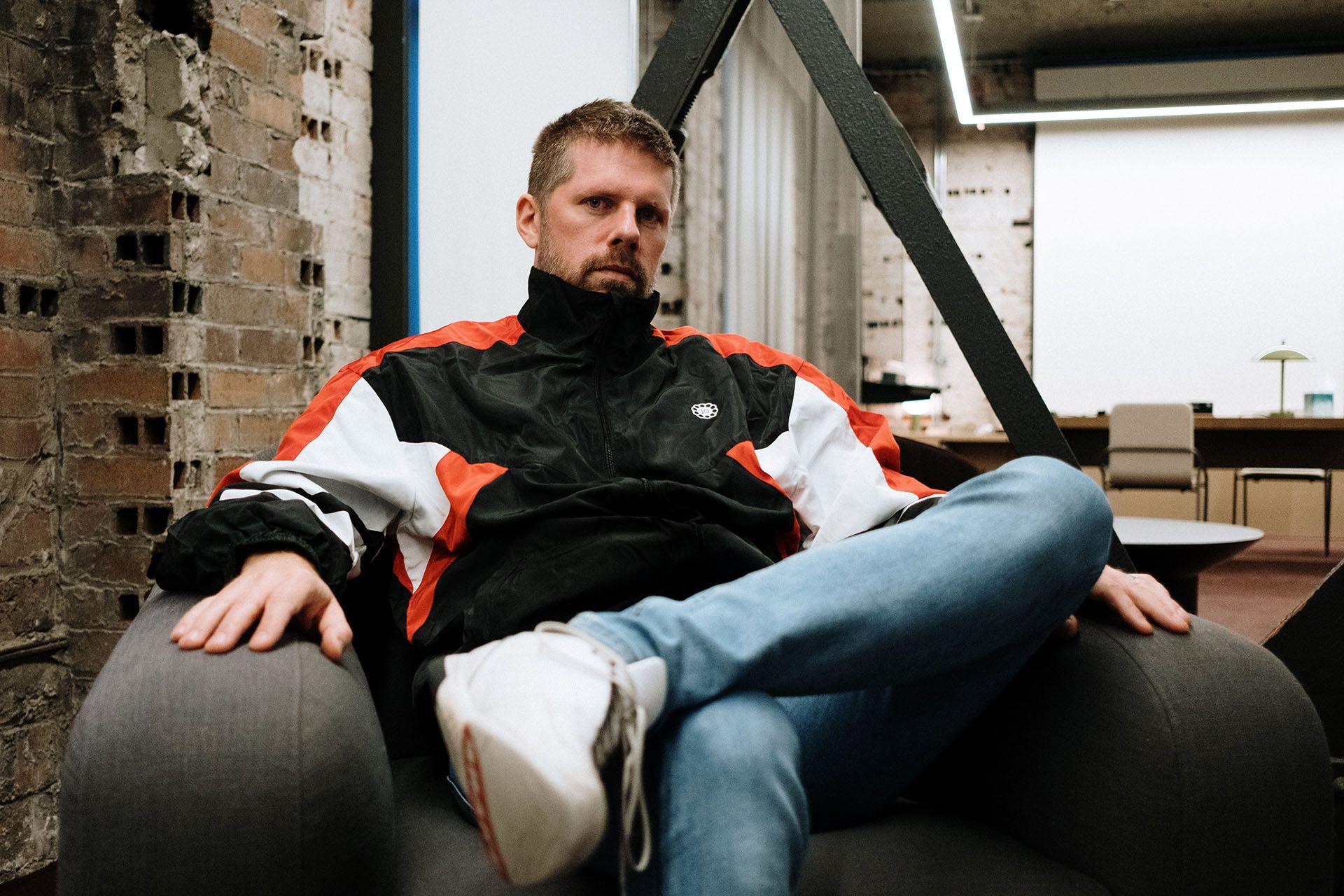
Simon Viklund on music production, inspiration and legacy
Den of Wolves tone has been described as “more Michael Mann than Michael Bay" - does that extend to the score itself? Are there specific Mann films whose soundscapes are finding their way into what you're building?
Simon Viklund: The Michael Mannliness is more of a guideline for a serious tone than for the exact way of expressing that tone. So no, the Den of Wolves score doesn't take inspiration from Michael Mann movie scores, no. I love Michael Mann's movies and his choices of music collaborators and licensed music are exquisite.
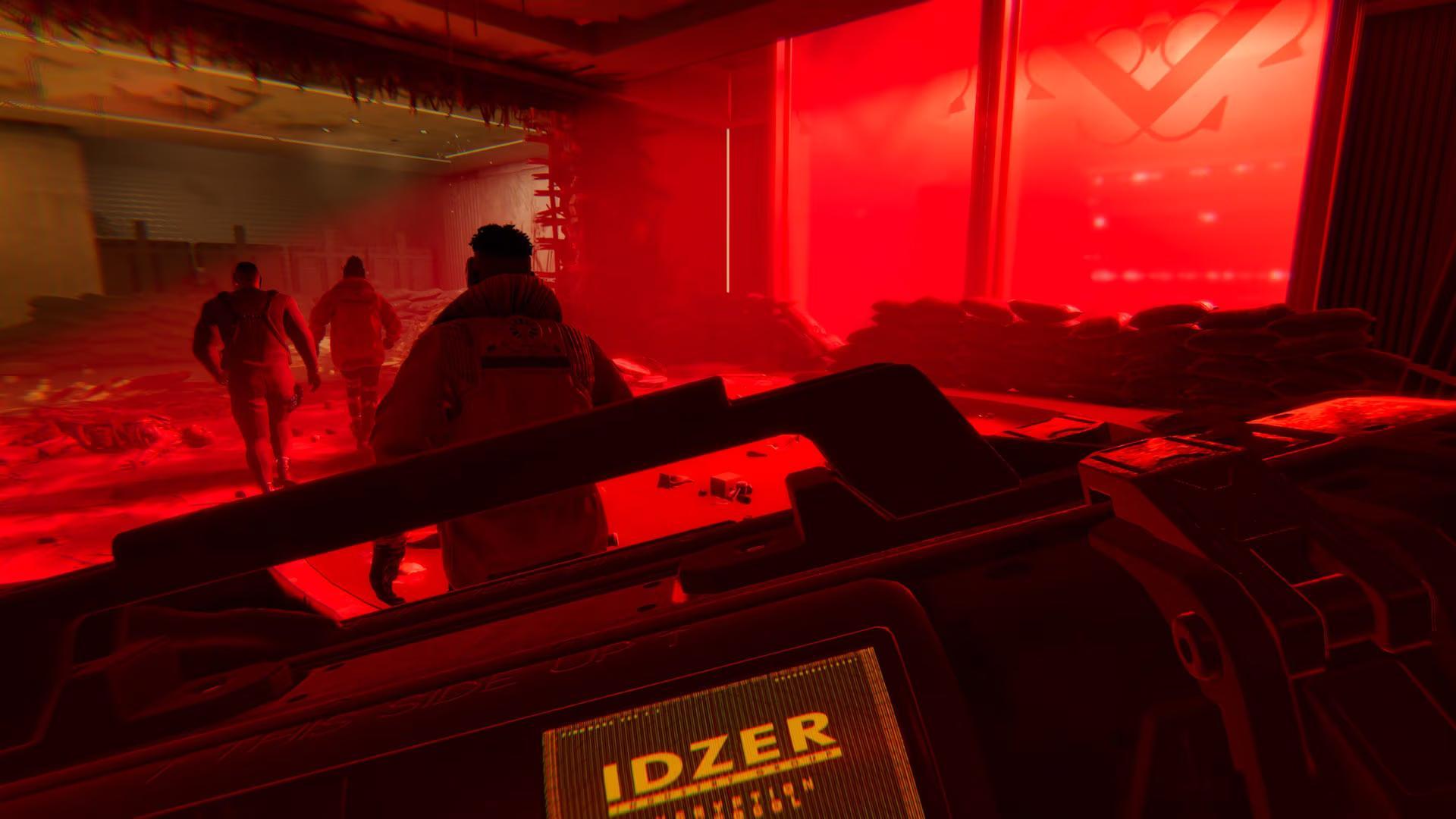
You’ve mentioned in previous interviews that you want Den of Wolves' music to be loud and "in your face" rather than subtle. But a heist game presumably has quieter, more tense moments too. How do you balance that?
Viklund: Yes, there is plenty of quiet yet suspenseful sequences in Den of Wolves, which are scored by quiet yet suspenseful music. It's when the excrement connects with the thermantidote that the music gets really loud.

The beats are clearly central to your signature sound — what drum machines or production tools have stuck with you across your whole career, and is there one you couldn't imagine working without?
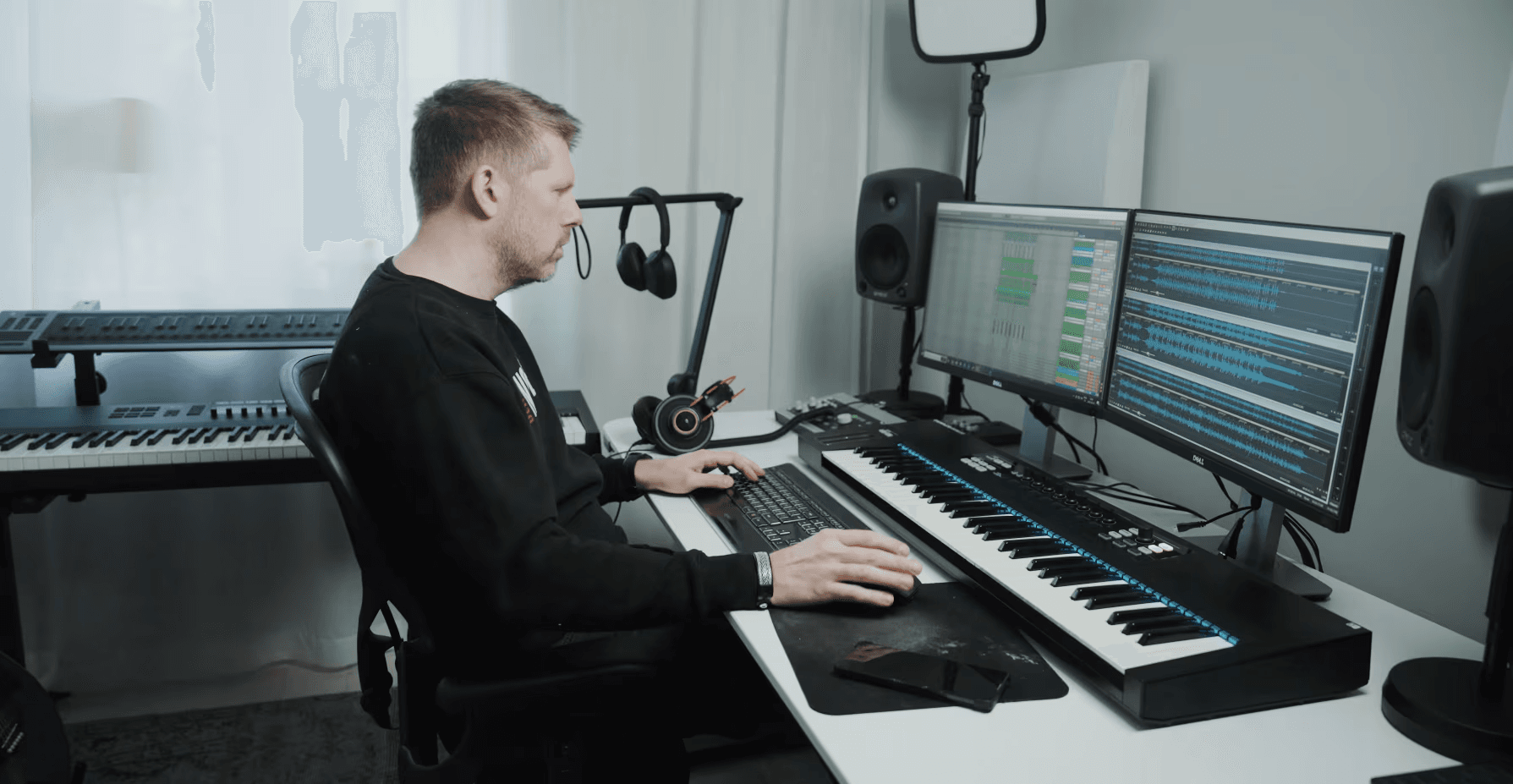
Viklund: I work solely "in the box" (meaning I make everything with software on my computer and don't rely on outboard gear) when creating drums and my go-to software drum machine is Native Instrument's Battery - I've used it for 14 years, since version 3.
Is it okay if I get technical? I'm gonna get technical: I always use Battery to map out the kick pattern using a synth kick sample, then layer a high-pass-filtered rock kick on top of it for some room and dirtiness. Then I sometimes add a separate transient sample to beef up the attack and also some ultra-short pre-transient "suckback" sound, that makes a huge difference.
Much the same for the snare, which is layered also gets its own separate mix. Finally, all the tertiary drum sounds - the hi-hats, snare ghost notes and processed drum loops that make up the percussive undercarriage of the music - get their own mix. By separating the elements this way, I have full control mix-wise and can make sure the kick and snare really "pop" while the undercarriage chugs along and provides a stable basis.
You’ve talked about the Bionic Commando Rearmed soundtrack being your first real splash. What did reinterpreting someone else's work teach you about your own compositional voice?
Viklund: The fact that Junko Tamiya's fantastic music already existed allowed me to focus solely on instrumentation and mix. Essentially, I took her brilliant chord progressions and melodies and made it so that they were played with nastier synth sounds and added aggressive drum loops. It was a great opportunity to explore what has become a large part of my identity as a producer and prove that this particular style - inspired by The Prodigy, Chemical Brothers and Chrystal Method - could fit in video games.
Payday 2 clearly struck a nerve with a lot of people - the music especially. Beyond just the quality of the tracks, what do you think it was about that specific moment, that specific game, that made it hit the way it did?
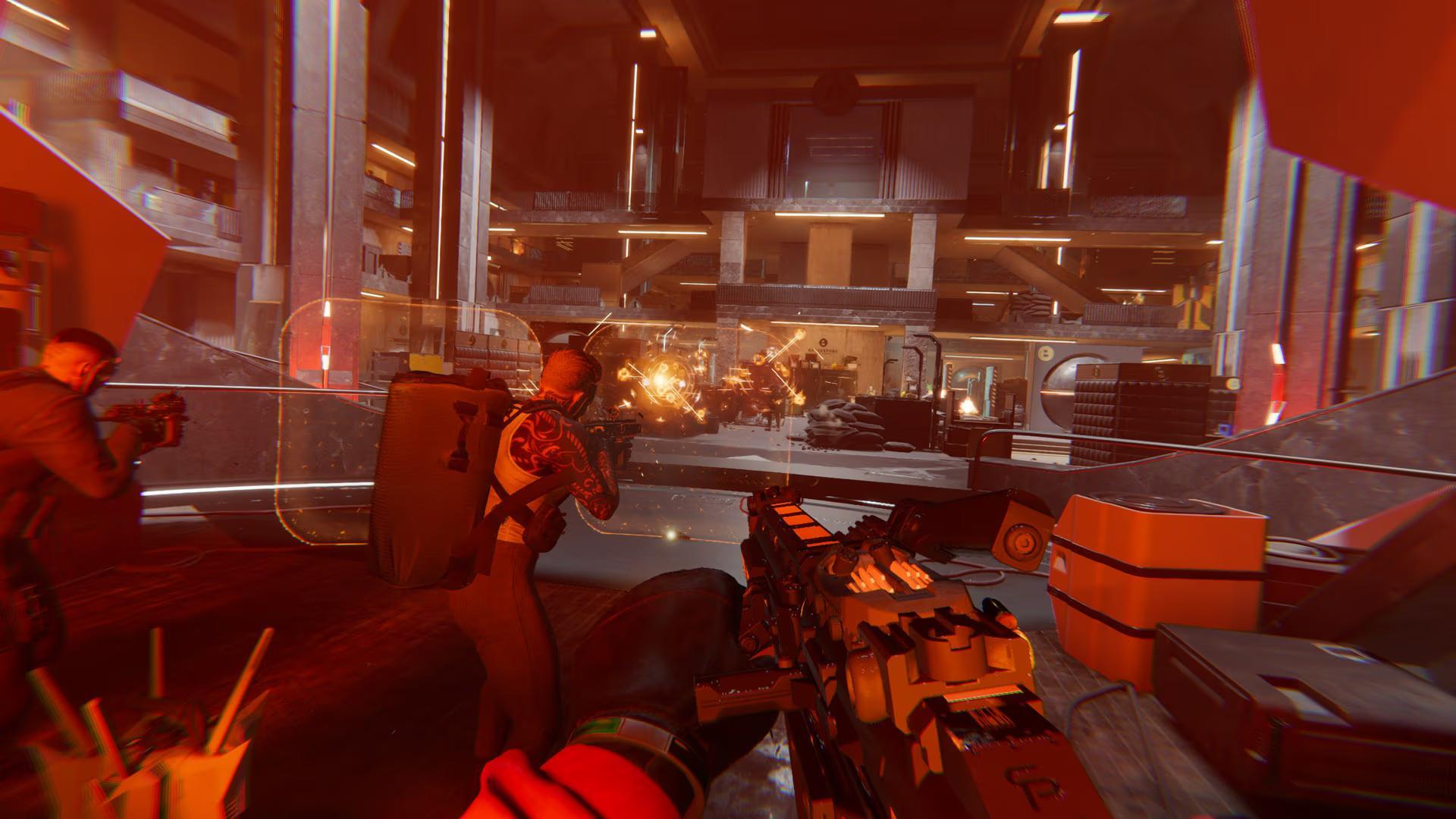
Viklund:I think a lot of it has to do with how well the music matches the energy of the game at any given moment. As there's a lull in the action when the cops retreat, the music becomes less intense while still retaining a sense of stress... then you get a warning about the law enforcement mobilizing and the music starts building, only to explode in an intense and satisfying "drop" just as the SWAT launch the next assault wave. The ebb and flow of intensity in the PAYDAY 2 gameplay just goes so well with the "tension and release" mechanics that make electronic music so irresistible and exciting, and I'm trying to recapture that in Den of Wolves.